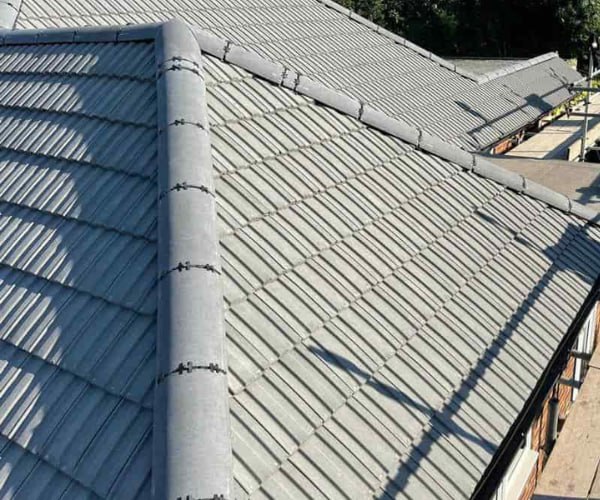
Lead Valley Repairs: Protecting Your Roof from Water Ingress in Rothwell, Northamptonshire
Lead valleys play an important role in keeping a roof weather-resistant. Positioned where two roof slopes meet, they collect rainwater and direct it towards the guttering, helping prevent moisture from entering the roof structure. When a lead valley becomes damaged, worn or poorly secured, water can escape from its intended route and enter the property.
For homeowners in Rothwell, Northamptonshire, maintaining lead valleys is an important part of roof care. Recognising early signs of deterioration and arranging appropriate repairs can help protect the roof, reduce the risk of leaks and prevent further damage to the property.
What Is a Lead Roof Valley and Why Is It Important?
A roof valley is the internal angle formed where two sloping sections of a roof meet. Because rainwater from both slopes flows into this channel, it can carry a considerable volume of water during wet weather.
Lead is commonly used for roof valleys because it is durable, flexible and can be shaped to suit the roof’s design. When correctly installed, it provides a continuous channel that guides water safely towards the drainage system.
However, lead valleys are exposed to ongoing weather conditions and repeated temperature changes. Over time, movement, wear or damage can affect their ability to direct water effectively. Regular checks help identify developing defects before they result in leaks.
Common Causes of Lead Valley Damage
Understanding why a lead valley may fail helps property owners recognise when professional attention is needed.
Wear and Tear Over Time
Lead is a long-lasting roofing material, but it is not immune to deterioration. Repeated expansion and contraction caused by temperature changes can contribute to fatigue, particularly if the lead is incorrectly installed or unable to move as intended.
As the material ages, splits or other defects may develop, allowing water to escape through the valley. The condition of the surrounding roof covering should also be assessed to establish whether the problem is isolated or part of a wider issue.
Incorrect Installation
A lead valley must be designed and fitted to accommodate the roof’s layout, water flow and the natural movement of the material. Inadequate detailing, unsuitable dimensions or poor installation can increase the likelihood of water ingress.
If a leak repeatedly develops along the same valley, a professional inspection can help determine whether the original installation needs correcting rather than simply patching the visible defect.
Debris and Restricted Water Flow
Leaves, moss and other debris can accumulate in roof valleys, restricting the movement of rainwater. When water cannot drain away efficiently, it may collect around vulnerable joints or flow beneath adjoining roof tiles.
Keeping valleys clear helps maintain effective drainage. If debris repeatedly gathers in the same area, the roof may require more frequent inspection and maintenance.
Damage to Lead or Surrounding Tiles
Impact from falling branches, displaced roof tiles or previous maintenance work can damage a lead valley. Nearby tiles may also crack or move out of position, allowing water to enter around the edges of the channel.
Repairing the lead without addressing damaged surrounding tiles may leave the roof vulnerable to further leaks.
Warning Signs That a Lead Valley Needs Repair
Lead valley defects can be difficult to spot from ground level, but several warning signs may indicate that the roof needs attention.
Damp Patches and Water Stains
Brown marks on ceilings, damp areas in the loft or moisture around the upper sections of walls can indicate water ingress. If the affected area is beneath a roof valley, damage to the lead or adjoining tiles may be contributing to the problem.
However, water can travel along roof components before becoming visible indoors, so the source should be confirmed through a proper inspection.
Visible Splits or Displacement
If the lead appears split, distorted or out of position, its ability to direct rainwater may be compromised. Missing or displaced tiles beside the valley can also expose vulnerable sections of the roof.
Do not climb onto the roof to investigate. A professional roofer can examine the area safely and identify the appropriate repair.
Recurring Roof Leaks
A leak that returns after rainfall may indicate that an earlier repair did not address the underlying cause. The lead valley, nearby flashing, roof tiles and drainage route may all need to be checked.
Identifying the source accurately helps avoid repeated repairs that only provide a temporary improvement.
How Professional Lead Valley Repairs Work
The correct repair depends on the condition of the lead, the extent of the damage and the design of the surrounding roof.
Repairing Localised Damage
Where the lead remains in suitable condition, a localised repair may be possible. The roofer will assess whether the affected section can be repaired reliably and whether the adjoining materials are sound.
The repair must preserve the valley’s ability to channel water without creating new weak points.
Replacing Damaged Lead
If the lead has developed significant splits, widespread deterioration or defects that cannot be repaired effectively, replacement may be necessary. The new valley lining must be properly sized, detailed and fitted to accommodate water flow and the natural movement of the material.
Checking the Surrounding Roof
A complete assessment should include nearby roof tiles, supporting components and any junctions that could contribute to water ingress. Where water has already entered the roof, affected materials may need further inspection.
Addressing these related defects helps ensure that the work restores the roof’s weather resistance rather than treating only the most visible problem.
Why Timely Lead Valley Repairs Matter in Rothwell, Northamptonshire
When a lead valley fails, rainwater may enter the roof structure and affect insulation, timber, ceilings and internal finishes. If the problem continues, moisture can spread beyond the original entry point and make the damage more difficult to trace.
Prompt repairs help limit further deterioration and restore the roof’s drainage function. For properties in Rothwell, Northamptonshire, periodic roof inspections can also help identify developing problems before they lead to noticeable leaks.
KJI Roofing Rothwell can assess damaged lead valleys and recommend suitable repairs based on the condition and construction of your roof.
Conclusion
Lead valleys are essential for directing rainwater away from vulnerable roof junctions. Wear, poor installation, debris and damage to surrounding tiles can all affect their performance and increase the risk of water ingress.
If you have noticed damp patches, recurring leaks or visible damage around a roof valley at your property in Rothwell, Northamptonshire, KJI Roofing Rothwell can help identify the cause and carry out appropriate repairs. Get in touch to discuss your roofing concerns and arrange a professional inspection.
Call us on: 01536 907 192
Click here to find out more about KJI Roofing Rothwell
Click here to complete our contact form and see how we can help with your roofing needs.